
Stay Connected Anywhere with One International eSIM Plan
Imagine landing in Tokyo and your phone instantly connects to a local network without swapping a physical card. That’s the magic of an international eSIM, a digital SIM built into your device that lets you add and switch between mobile plans from different countries. You simply purchase a data plan online, scan a QR code, and your phone activates the coverage, keeping you connected abroad without roaming fees or searching for a store. It’s a seamless way to use local or global data wherever you travel.
What Makes a Universal SIM Card Essential for Travelers
A universal SIM card, now realized through international eSIM technology, is essential for travelers because it eliminates the need for physical swaps and local store visits. Instead of hunting for a foreign SIM upon arrival, you activate a single digital profile before departure, connecting instantly to local networks in dozens of countries. This ensures you have immediate access to maps, translation apps, and booking confirmations right when you land, avoiding roaming shock. The key benefit is uninterrupted connectivity without juggling multiple plastic cards. Wondering what truly makes a universal SIM essential? It’s the ability to keep your primary number active for banking 2FA while using a low-cost data plan abroad on the same device. This seamless coexistence of your home and travel lines within one eSIM removes the worst hassle of international travel: being unreachable at a critical moment.
Comparing Traditional Roaming vs. Embedded SIM Technology
Traditional roaming often locks you into expensive daily fees or urgent local SIM hunts in unfamiliar airports. Embedded eSIM technology eliminates this by allowing you to download a data plan seconds before landing. The key advantage is instant global connectivity without swapping physical cards or risking your primary SIM. A Q&A sharpens this: Q: How does embedded eSIM outperform traditional roaming for multi-country trips? A: Traditional roaming requires separate agreements per carrier, while an embedded eSIM lets you switch between local profiles instantly, keeping costs low and connectivity seamless without ever touching a SIM tray.
Why Frequent Flyers Are Ditching Physical Plastic Cards
Frequent flyers are abandoning physical plastic SIM cards because they introduce a single point of failure during tight connections; a lost or damaged card instantly kills connectivity. Switching to an international eSIM removes the risk of losing a tiny plastic chip. Travelers also avoid the hassle of juggling multiple physical cards for different countries, simplifying their device setup. The ability to activate a new data plan instantly upon landing—without visiting a Singapore eSIM store or swapping trays—saves precious minutes. Plastic-free travel is now the standard for those who value speed.
- Eliminates the risk of losing or damaging a fragile physical card mid-trip.
- Removes the need to carry and swap multiple plastic SIMs for multi-country itineraries.
- Allows instant activation upon arrival without hunting for a physical vendor.

Key Benefits: Cost Savings and Instant Activation
A universal SIM card unlocks immediate cost savings and instant activation, slashing roaming charges that drain your budget. You activate a local data plan in seconds via an eSIM profile, avoiding physical SIM hunts at airports. Real-time plan comparison lets you grab the cheapest regional deal, paying only for what you use. This on-the-go flexibility turns your device into a global wallet, eliminating surprise fees while you roam.
Instant activation cuts setup time to zero, while cost-saving local rates replace expensive roaming bills.
How to Choose the Right Global Data Solution for Your Trip
To choose the right global data solution, first match an international eSIM to your destination countries—single-region plans are cheaper than global ones if you visit only one area. Check your phone’s eSIM compatibility and whether you need a local number or just data. Prioritize plans with high-speed caps and easy top-ups via an app, ensuring you can add data mid-trip without buying a new eSIM. Compare coverage maps for your specific cities, not just countries, to avoid dead zones. Finally, pick a plan with flexible start dates so your global data solution activates exactly when you land, not before.
Evaluating Coverage Maps and Network Partnerships Abroad
When picking an international eSIM, don’t just glance at a coverage map—evaluate the actual network partnerships behind it. A map might show a country in green, but that could mean a weak local partner with slow speeds. Start by checking which local carriers the eSIM works with in your destinations; major partners usually mean better reliability. Then, look at the map’s detail level—does it highlight 4G/5G zones or just broad regions? Finally, read user reviews about connectivity in specific areas, like rural spots or airports. real-world performance often tells more than the map itself.
- List the eSIM’s partner carriers for your trip
- Cross-check their coverage density (urban vs. rural)
- Confirm speed tiers (e.g., 4G only vs. 5G-capable)
Data-Only Plans vs. Plans with Voice and SMS Options
When selecting an international eSIM, your core choice is between a data-only plan versus a voice and SMS plan. A data-only eSIM is ideal if you rely on apps like WhatsApp or Skype for calls and messages, as it offers lower cost and simpler setup. Conversely, choose a plan with voice and SMS if you must make traditional phone calls—for instance, to reach hotels or local support services that do not use internet apps. The nuanced decision hinges on whether app-based communication can entirely replace your need for a native phone number. To decide:
- Assess if your primary contacts use data-based messaging. If yes, select data-only.
- Confirm if you need 2FA codes via SMS or to dial emergency numbers via voice. If yes, choose a combined plan.
Understanding Plan Durations: Short Stays vs. Extended Journeys
Matching your eSIM plan to trip length prevents wasted money. For a short stay versus extended journey decision, a 7-day pass with a few GBs usually covers city navigation and social media. Longer trips demand monthly or 30-day rolling plans—far cheaper than buying multiple short-term packs. A 90-day data bundle with 20GB+ suits digital nomads or backpackers, offering stability without recharging. Always check if the plan activates immediately or on first use, as this affects coverage for a same-day flight versus a gradual multi-country route.
What is the biggest mistake travelers make with plan durations? Choosing a daily cap that runs out mid-trip, forcing expensive top-ups—always estimate 25% more data than you think you need for a month.
Step-by-Step Setup Guide for Getting Connected Overseas
To get connected overseas with an international eSIM, first verify your phone is unlocked and eSIM-compatible. Then, purchase a global data plan from a trusted provider before departure. Upon arrival, scan the provided QR code or manually enter the activation details in your device’s cellular settings. Install the eSIM profile before leaving your home Wi-Fi to avoid setup delays. After installation, label the new line (e.g., “Travel Plan”) and set it as your default for mobile data. Disable your primary SIM’s roaming to prevent charges. Finally, toggle airplane mode off and on to refresh the connection. You’ll be online in minutes, bypassing physical SIM swaps and local carrier queues.
Checking Device Compatibility with eSIM Profiles
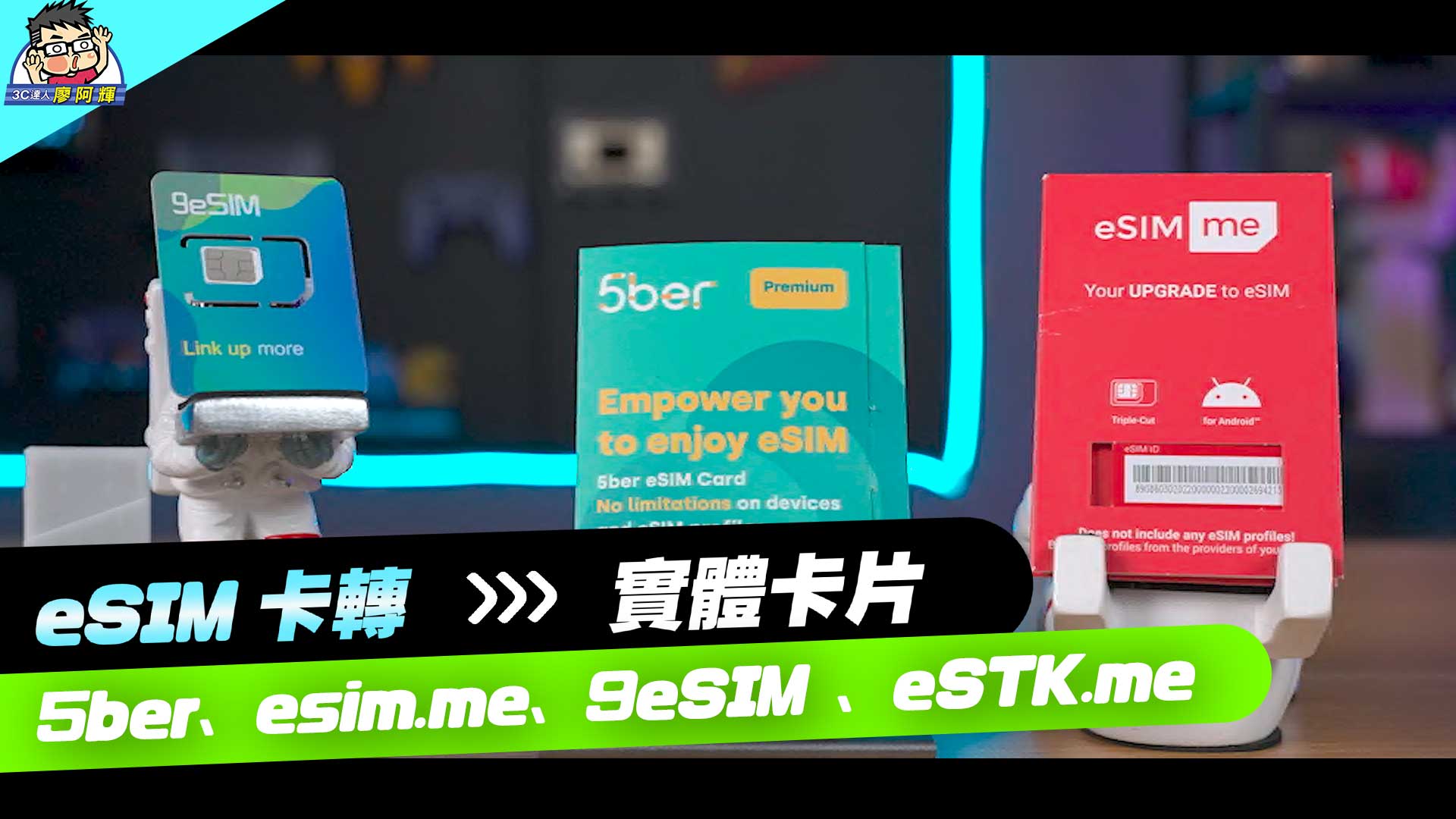
Before purchasing an international eSIM, verify your device’s eSIM compatibility by checking for “eSIM” in your phone’s settings under Cellular or Mobile Data. Most recent models from Apple, Google, and Samsung support this, but older or locked carrier devices may not. Ensure your phone is unlocked and updated to the latest software. For dual-SIM setups, confirm which slot handles eSIM profiles to avoid activation errors. A quick IMEI check on your provider’s site can also confirm instant compatibility.
Always confirm your device is unlocked, eSIM-capable, and updated before attempting overseas activation.
Installing Your First Digital SIM via QR Code
To install your first digital SIM via QR code, ensure your device is connected to Wi-Fi before scanning, as the profile download requires data. Open your phone’s settings, navigate to “Mobile Network” or “Cellular,” and select “Add eSIM.” Scan the QR code provided by your eSIM provider—this triggers immediate profile installation. After scanning, confirm the activation and label the line (e.g., “International Data”) to avoid confusion with your primary SIM. The phone will then prompt a restart; upon reboot, international eSIM activation completes, and you can manage data roaming toggles in settings.
- Keep the QR code screenshot saved offline in case of reinstallation.
- Do not delete the eSIM profile until your trip ends to avoid losing connectivity.
- Verify your device is unlocked and eSIM-compatible before scanning.
Managing Multiple Profiles for Multi-Country Itineraries
When planning a multi-country itinerary, managing multiple eSIM profiles requires deliberate organization before departure. First, label each profile clearly in your device settings using the specific country name rather than a generic carrier name—this prevents confusion when switching regions. Prioritize your home country profile as the default for emergency calls and SMS, while arranging secondary profiles by chronological travel order. For seamless transitions, activate the destination country’s profile only upon arrival to avoid unintended roaming charges. Be mindful that some devices allow up to eight eSIMs but only two active at once, so deactivate the previous country’s profile before enabling the next. Keep each profile’s activation QR code or manual download link saved offline in a secure notes app for potential reinstallation.
Top Providers Offering Seamless Connectivity Across Borders
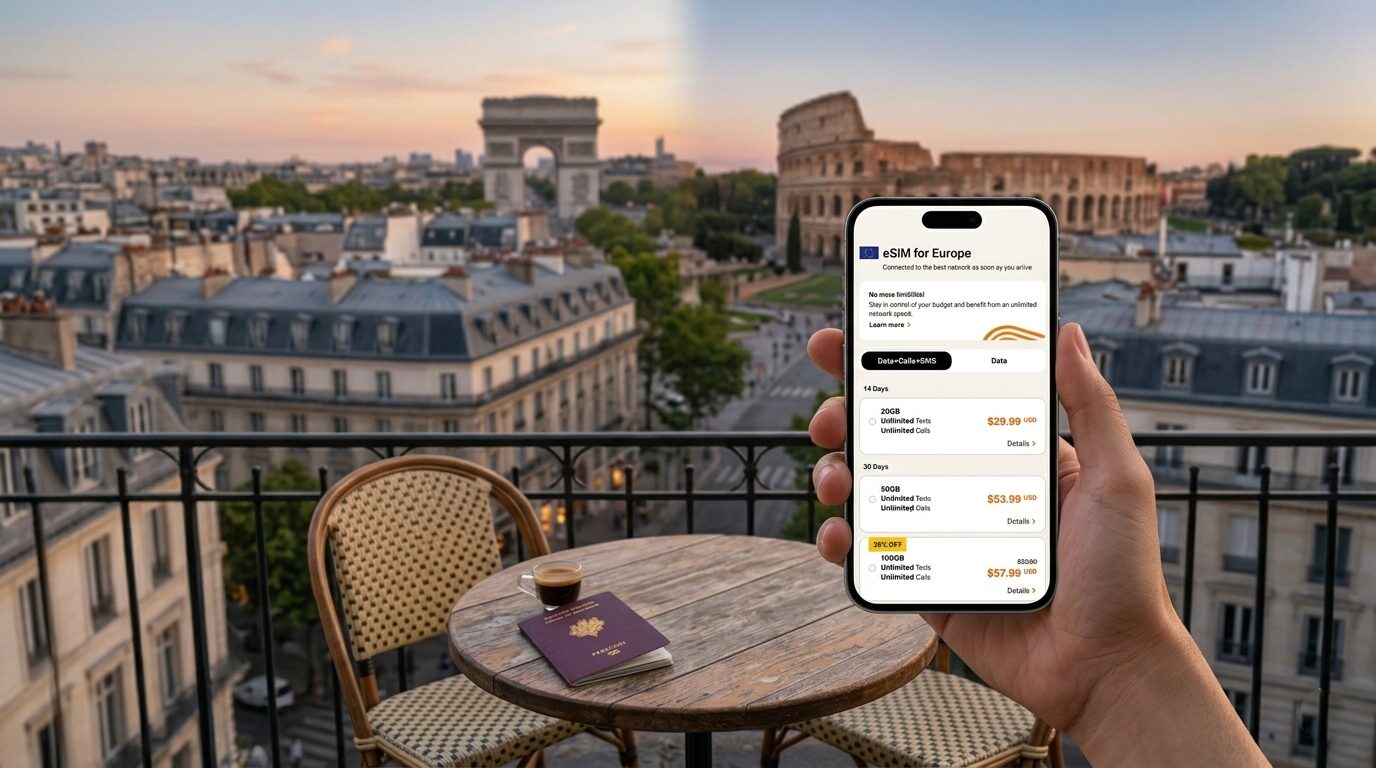
For reliable international eSIM connectivity, Airalo and Holafly lead by offering instant, multi-country data profiles without physical SIM swaps. Airalo excels with its extensive country-specific and regional “pack” options, allowing you to top up data directly from its app. Holafly differentiates by providing genuinely unlimited high-speed data plans in over 160 destinations, though verify network throttling policies for heavy streaming. Both providers bypass roaming fees by connecting you to local carrier networks upon arrival, ensuring stable LTE/5G access. For frequent travelers, managing multiple profiles through a single platform prevents the hassle of acquiring local SIMs at each border.
Major Carriers with Global Roaming Packages
For travelers who prefer their existing provider, major carriers like T-Mobile, Verizon, and AT&T now offer built-in global roaming packages that integrate seamlessly with eSIM technology. Rather than swapping physical SIMs, you simply activate a temporary or add-on plan via your carrier’s app, often unlocking data in 200+ countries. For example, T-Mobile’s “Magenta MAX” includes unlimited 5G data abroad at no extra cost in many regions, while AT&T’s “International Day Pass” charges a flat daily rate. Verizon’s “TravelPass” offers a predictable fee per day. These packages eliminate the need to research local providers, though costs can accumulate on extended trips.
- eSIM activation is usually instant through the carrier’s app, requiring no physical card.
- Most plans include unlimited texting and voice calls back to the home country.
- Data speeds are often throttled after a high-speed cap, but remain sufficient for navigation and messaging.
- You keep your home number active, ensuring two-factor authentication works abroad.
Specialized eSIM Marketplaces for Flexible Data Top-Ups
Specialized eSIM marketplaces like Airalo and Holafly let you grab a data-only plan for any destination, then top up flexibly when you run low—no new SIM card needed. You can jump into a country-specific or regional plan, then add more gigabytes directly from the app before your trip ends. This pay-as-you-go approach means you never buy more data than you actually need, which keeps costs down and hassle away. It’s perfect for hopping between borders without locking into a long-term contract.
Comparing Pricing Tiers: Budget to Premium Options
When evaluating international eSIMs, comparing pricing tiers reveals a direct trade-off between cost and convenience. Budget providers like Airalo offer rock-bottom rates for limited data packs, ideal for short trips where you can manually top up. Mid-tier options from Holafly or Nomad balance per-gigabyte cost with flexible, reusable plans across multiple regions. Premium tiers from providers like GigSky or Ubigi deliver faster LTE/5G speeds, priority network access on local carriers like T-Mobile or Vodafone, and zero-deprecation data that doesn’t expire for a year. For frequent travelers, paying extra for never-expiring data and automatic roaming across dozens of countries eliminates the hassle of re-purchasing plans mid-journey, making the higher upfront price a smarter investment overall.
Practical Tips for Maximizing Network Performance Abroad
To maximize network performance abroad with an international eSIM, manually select the strongest local carrier from your device’s network list rather than relying on automatic roaming. Always download offline maps and key apps before departure to avoid data-sucking background refreshes. Disable LTE on weaker signals and switch to 4G to prevent constant network drops. For video calls or large uploads, connect to a secure, high-speed local Wi-Fi instead of your eSIM data, reserving cellular bandwidth for navigation. If you hit persistent lag, toggling airplane mode for ten seconds often forces a connection to a less congested tower. Finally, monitor real-time usage via your eSIM app and purchase top-up data packs for local plans when speeds throttle, rather than relying on expensive global pass rollovers.
Optimizing APN Settings for Faster Data Speeds
When your international eSIM feels sluggish, tweaking your APN settings can be a game-changer. Start by copying the exact APN from your eSIM provider’s setup guide—typos break connectivity. For faster data speeds, manually set the APN type to “default,supl” and enable IPv4/IPv6 if supported. Use LTE-only mode temporarily if 5G is unstable. Q: Will wrong APN settings drain my data faster? A: Not directly, but incorrect ones cause reconnection loops, wasting battery and time. Always restart your device after changes to lock in the boost.
Switching Between Local and Home Networks Strategically
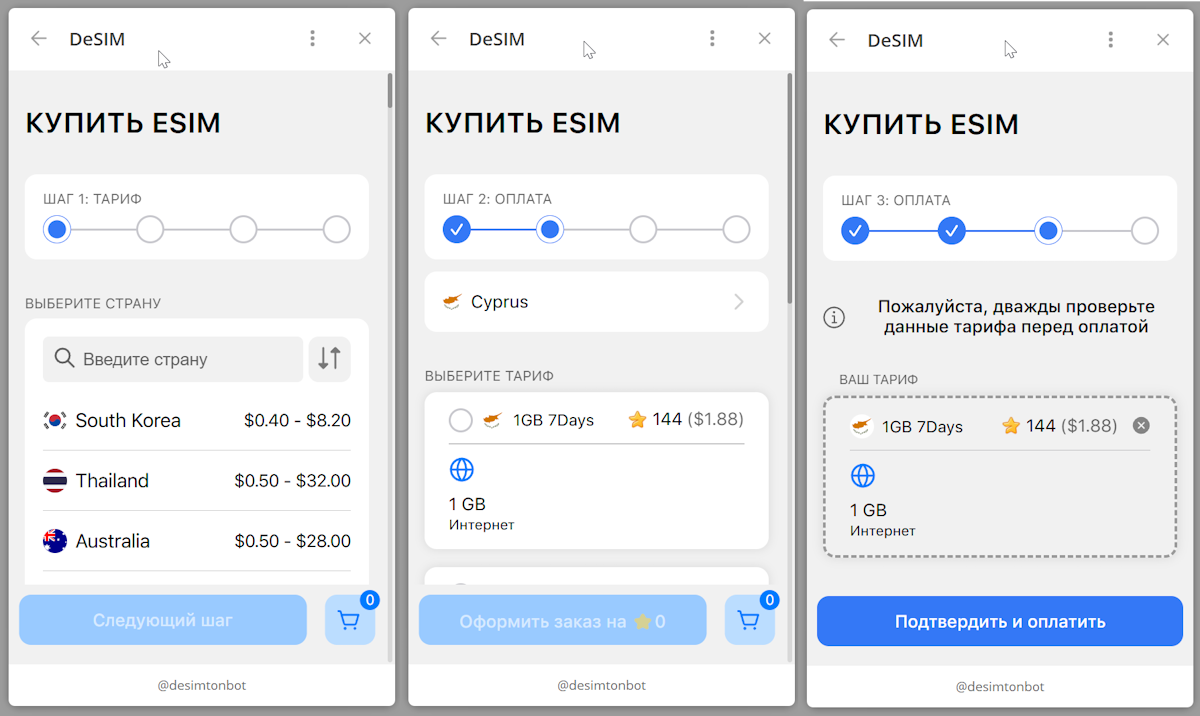
Strategically switching between local and home networks lets you milk the best speeds without burning through your eSIM data. In noisy spots like airports, manually toggle to a local carrier for stronger signal, then flick back to your home eSIM for sensitive logins. This strategic network switching prevents buffering during video calls while keeping banking secure.
Does switching networks drain battery faster? Yes, briefly, but locking onto one strong signal at key moments actually saves more power than letting a weak connection hunt constantly.
Avoiding Common Pitfalls Like Hidden Fees or Expired Plans
To avoid common pitfalls like hidden fees or expired plans with an international eSIM, always scrutinize the data plan’s fine print before purchase. Proactive plan management is essential; set a calendar reminder a day before your plan expires to prevent unexpected disconnection or auto-renewal charges. Scrutinize the provider’s terms for throttling policies after reaching a data cap, which can incur overage fees.
- Review the plan’s list of restricted countries or zones to avoid surprise roaming surcharges.
- Disable automatic top-up features to prevent unwanted billing cycles.
- Check the activation window—some eSIMs expire if not installed within a set period.
- Confirm if the plan includes a “grace period” for data rollover to avoid losing unused credit.
Common Questions Travelers Ask About Digital SIM Cards
Travelers commonly ask if an international eSIM works immediately upon landing. The answer is yes, provided you install the eSIM profile before departure and it activates upon connecting to a local network. Another frequent question is whether they can keep their primary number active for calls and texts while using the eSIM for data; typically, you can set the eSIM for data and your home SIM for voice. People also wonder about dual-SIM functionality, which is standard on most modern phones, allowing both lines to remain on simultaneously.
A key insight is that data-only eSIMs cannot receive SMS verification codes from your home carrier, so travelers need a fallback plan for two-factor authentication.
Finally, users ask about topping up data mid-trip, which is usually managed through the eSIM provider’s app or website, with plans starting from as little as 24 hours.
Will My Phone Support This Technology?
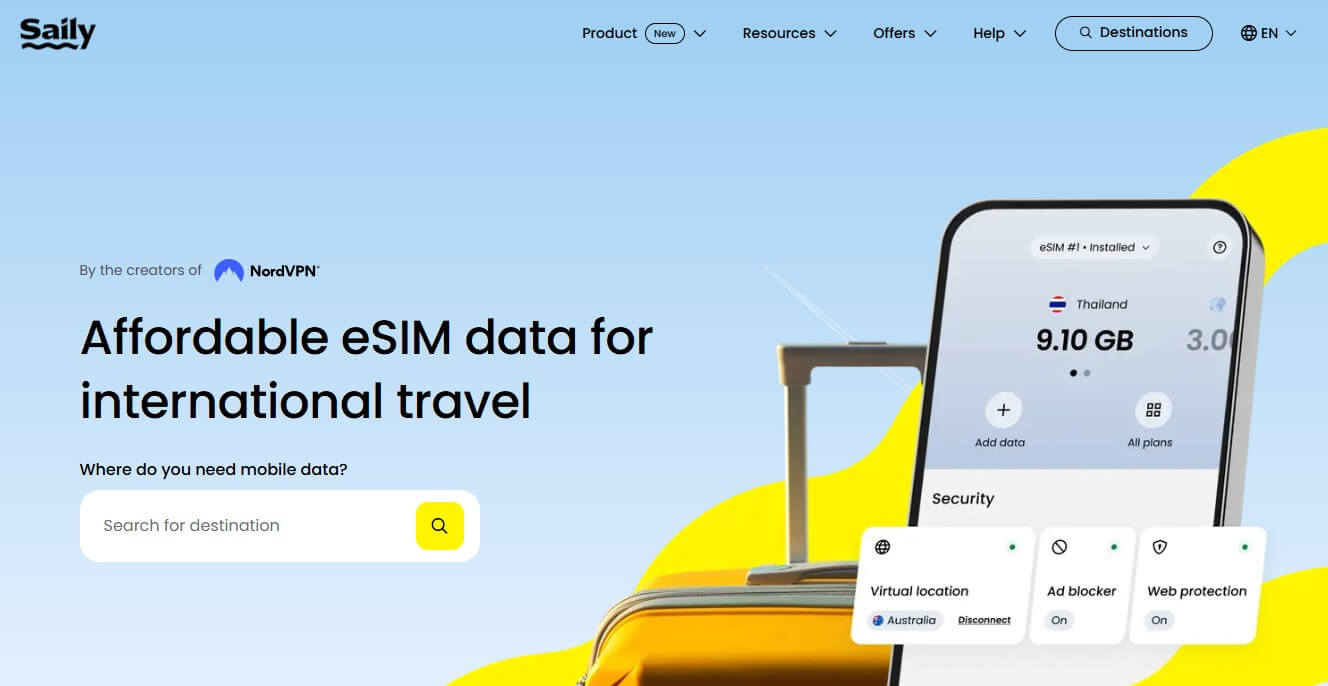
Most modern smartphones, from the iPhone XR onward and Android models like the Samsung Galaxy S20 or Google Pixel 3, include an eSIM chip. However, your specific device must be carrier-unlocked for eSIM, as a locked phone will not provision a new international profile. You can check this in your settings: look under “Cellular” or “Connections” for an option to “Add Cellular Plan.” If absent, your phone lacks eSIM hardware.
Q: Will My Phone Support This Technology?
A: Verify by checking your phone’s IMEI or model number against your carrier’s eSIM compatibility list. Not all carrier-branded phones, even recent ones, support eSIM—so always confirm before purchasing an international plan.
Can I Keep My Original Number Active While Using It?
Yes, you can keep your original number active while using an international eSIM. When you install a travel eSIM for data, your physical SIM (or primary line) remains operational for calls and texts—just disable its international data roaming to avoid surprise charges. Your phone treats the eSIM as a separate data plan, allowing you to receive calls on your original number over Wi-Fi or cellular, though standard SMS may still incur fees. Dual SIM standby means your original line stays reachable for urgent contact, even while you browse abroad. This setup frees you to enjoy local data rates without deactivating your home number.
Your original number stays active and reachable for calls and texts while the international eSIM handles data separately; just turn off roaming on your primary line to avoid extra fees.
What Happens to My Data After the Plan Expires?
When your international eSIM plan expires, your remaining data is permanently forfeited and not refunded. The eSIM profile itself remains on your device without connectivity until you purchase a new plan. No personal data or account information is deleted—your eSIM is simply deactivated. To avoid waste, only activate a plan with enough data for your trip, as any unused gigabytes vanish. Some providers offer data rollover for recurring plans, but standard travel eSIMs do not.
Your unused data is lost after expiration, but your eSIM profile stays intact for future top-ups.


