
Exploring the cultural significance of casinos in modern society
The Historical Evolution of Casinos
Casinos have a rich history that dates back to ancient civilizations, where games of chance were often associated with rituals and celebrations. The modern casino emerged in the 17th century in Italy, with establishments that combined gambling with entertainment and social interaction. As these venues evolved, they became emblematic of the leisure culture of various societies, reflecting the values and attitudes toward risk, senseizino.uk luck, and community engagement.
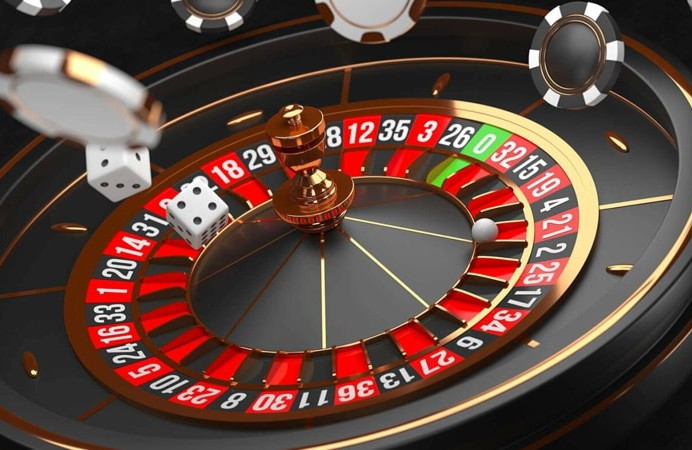
In the 20th century, the rise of Las Vegas transformed the casino landscape. It turned gambling into a multi-billion dollar industry, showcasing extravagant shows and luxurious accommodations. This not only attracted tourists but also positioned casinos as central hubs of entertainment, where the thrill of gaming intertwined with lavish experiences. Such developments highlight how casinos adapted to cultural shifts and societal norms, becoming integral to modern social life.
Moreover, the proliferation of casinos worldwide has sparked debates about morality, legality, and social responsibility. Different cultures view gambling through varying lenses—while some celebrate it as a form of entertainment, others raise concerns about addiction and societal impacts. This complex relationship illustrates how casinos serve as a microcosm of broader societal values, presenting both opportunities for enjoyment and challenges that require careful navigation.
Casinos as Social Spaces
Beyond their primary function as gambling establishments, casinos serve as vital social spaces that foster community connections. They attract a diverse clientele, offering a shared experience that transcends socioeconomic backgrounds. This melting pot environment allows individuals to interact and bond over games, events, and shared experiences, promoting a sense of belonging and camaraderie among patrons.
Casinos also play a significant role in the tourism industry, drawing millions of visitors eager for entertainment. Events like poker tournaments or themed parties create not just gaming opportunities but also social occasions that enhance visitor engagement. Such events encourage interaction among guests, making the casino experience about more than just luck and skill; it’s about forging connections and creating memories.
Furthermore, casinos often incorporate restaurants, bars, and live entertainment, transforming them into multifaceted entertainment centers. These additions amplify the social aspect of casinos, allowing patrons to enjoy a comprehensive experience. The combination of gaming and social activities helps to redefine the perception of casinos, positioning them as places of leisure and enjoyment rather than mere gambling venues.
The Role of Technology in Modern Casinos
The integration of technology in casinos has revolutionized the gaming landscape, transforming how patrons engage with games and each other. The rise of online casinos has made gambling more accessible, allowing players to enjoy their favorite games from the comfort of their homes. This shift not only reflects advancements in technology but also demonstrates changing consumer preferences, with younger generations seeking convenience and flexibility.
In physical casinos, technology enhances the gaming experience through innovations like electronic table games and virtual reality experiences. These advancements draw in tech-savvy individuals while retaining traditional gaming enthusiasts. The use of mobile apps for promotions and account management streamlines interactions, offering a personalized touch that resonates with modern consumers who prioritize efficiency and accessibility.
Moreover, the application of data analytics enables casinos to better understand their customers’ preferences, leading to targeted marketing strategies and personalized offerings. This data-driven approach enhances customer satisfaction and loyalty, fostering a deeper connection between the establishment and its patrons. As technology continues to evolve, casinos are likely to remain at the forefront of innovation, continually shaping the cultural landscape of gambling.
The Psychological Aspects of Gambling
The allure of casinos is deeply rooted in psychological factors, such as the thrill of risk and the hope of winning. The concept of luck versus skill plays a pivotal role in how individuals perceive gambling. While games of chance offer the excitement of unpredictability, skill-based games can instill a sense of control and strategy, appealing to different personality types. This duality enriches the gambling experience, allowing for varied engagement among patrons.
Moreover, the social psychology of gambling highlights the communal aspects of casinos. Many people visit casinos not just for the games but for the atmosphere and social interaction. The environment is designed to be stimulating and engaging, encouraging repeated visits. The reinforcement of winning, even if infrequent, can create a powerful psychological pull, fostering a sense of optimism and hope among players.
However, the psychological implications of gambling are complex. While many enjoy it responsibly, others may struggle with addiction, leading to severe personal and financial consequences. Understanding these psychological dimensions is crucial for promoting responsible gambling practices and ensuring a safe environment within casinos, balancing the thrill of risk with social responsibility and care for patrons’ well-being.
Understanding Casinos in Contemporary Society
In contemporary society, casinos symbolize a blend of entertainment, risk, and social interaction. They serve as venues where individuals can engage in leisure activities while navigating their relationship with luck and skill. This duality reflects broader societal trends, including the acceptance of gambling as a legitimate form of entertainment, albeit accompanied by a growing awareness of potential risks.
Casinos also generate significant economic benefits, contributing to local and national economies through job creation, tourism, and tax revenues. Communities often view casinos as catalysts for development, fueling infrastructure and service enhancements. However, this economic impact must be balanced with responsible gambling initiatives to ensure that the community’s well-being remains a priority amid the financial opportunities presented.
As societies continue to evolve, the cultural significance of casinos is likely to shift, incorporating new perspectives on entertainment, ethics, and social responsibility. Understanding this dynamic relationship will be crucial for stakeholders in the gaming industry, ensuring that casinos continue to reflect and enrich the societies in which they operate.
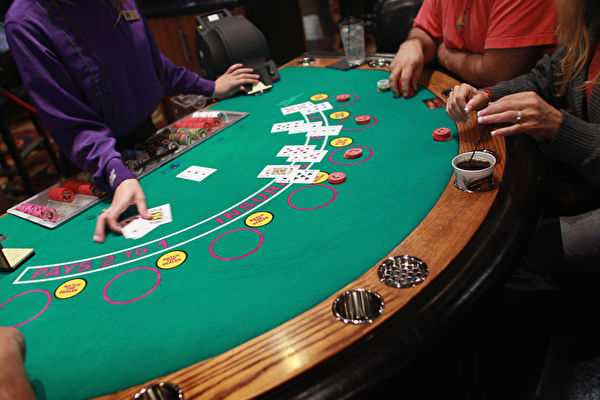
Senseizino: A Modern Gaming Experience
At Senseizino, we recognize the cultural significance of casinos in today’s society. As an online gaming platform, we strive to provide an engaging and rewarding experience for players in the UK. Our extensive selection of games offers a blend of traditional and modern gaming options, appealing to diverse interests and preferences.
Launched in 2023, Senseizino is committed to promoting responsible gaming while delivering an entertaining experience. Our user-friendly platform ensures that players can easily manage their accounts and enjoy various promotions, including generous welcome bonuses. With our focus on customer satisfaction and data protection, players can trust that their experience will be both enjoyable and secure.
Join us at Senseizino to explore the exciting world of online gaming, where luck and skill intertwine in a modern context. Experience the thrill of gaming from the comfort of your home while being part of a vibrant community that values entertainment and responsible practices.


